


Early Reader Storybooks
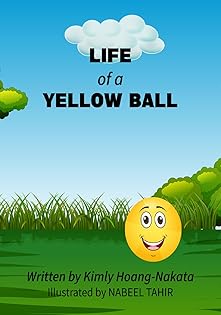
Life of a Yellow Ball
Print books ship from Amazon / Barnes & Noble.
About this book
A playful, imaginative journey told from the point of view of one well-loved yellow ball.
Why families love it
- Imaginative storytelling
- Sparks creativity
Themes
ImaginationPlayPerspective
What this story helps with
Telling a story from an object's point of view is perspective-taking with the difficulty turned down: there are no feelings to get wrong, so a child can practice the move itself. That move — imagining how something looks from somewhere other than where you are standing — is the same one empathy runs on later, which is why this kind of play is worth more than it looks.
Questions to ask while you read
- If your favorite toy could talk, what would it say about today?
- What do you think a day looks like from way down near the floor?
- Where would you go if you could roll anywhere?
- What is something in this room that has a story?
Try this together
- Pick any object in the room and take turns telling one line of its story.
- Draw the same room from two different heights.
- Follow one toy through a whole day and narrate what it "saw".
A good moment to reach for it: A rainy afternoon, a long car ride, or any stretch that needs imagination more than it needs a screen.
Independent recognition
We publish reader quotes only after verification and permission. In the meantime, explore Achieve Education’s documented book awards and author honors.
View awards and honorsYou might also like

Frequently asked questions
What format does Life of a Yellow Ball come in?
Life of a Yellow Ball is available as a paperback. Print copies ship from Amazon.
Where can I buy Life of a Yellow Ball?
You can buy Life of a Yellow Ball on Amazon, with copies shipped directly from the retailer.
What ages is Life of a Yellow Ball for, and what does it help with?
Life of a Yellow Ball is written for ages 3–8, and works well as a read-aloud. Telling a story from an object's point of view is perspective-taking with the difficulty turned down: there are no feelings to get wrong, so a child can practice the move itself. That move — imagining how something looks from somewhere other than where you are standing — is the same one empathy runs on later, which is why this kind of play is worth more than it looks.
Find the next book to share
Explore the full collection or visit the store for books, courses, and more from Achieve Education.